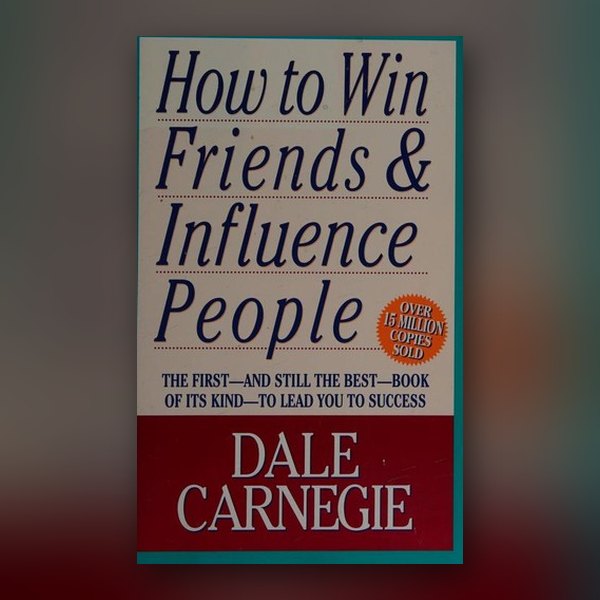
Episode-by-episode discussion of How to Win Friends and Influence People by Dale Carnegie — the oldest playbook for getting on with people, and why it still works. Each episode takes one chapter and turns it into something you can use today. Part of Social Skills Podcast.
9 episodes listed below. All 30 are on Apple Podcasts, free, no signup.
Telling someone they are wrong is the most efficient method of making an enemy ever devised. We unpack why the words you are wrong never land as information, and the much quieter ways Carnegie suggests for changing somebody's mind.
Carnegie's counterintuitive move: when you are wrong, admit it quickly and emphatically, before anyone else gets the chance. We look at why self-criticism disarms people so completely, and where this tips over into doormat territory.
The chapter on friendliness as a strategy rather than a mood. We follow Carnegie's union disputes and rent negotiations, and ask honestly what happens when gentleness meets someone who is simply not negotiating in good faith.
The Socratic method, stripped down to something you can use in a meeting. Why starting with the things you both already agree on changes the shape of everything after it, and how to find that common ground when it feels like there is none.
Carnegie's safety valve: let the other person talk themselves out. We look at why interrupting a complaint makes it louder, what you learn by staying quiet far longer than feels natural, and how this works with a genuinely angry person.
People support what they help create. We take apart the difference between telling someone your plan and building it with them, and why the version where they feel ownership outperforms the better plan they were handed.
Carnegie's magic formula is a single sentence of honest empathy — and he argues it would end most arguments on the spot. We test that claim, and look at what it costs to genuinely see a situation from the other side before you respond.
Sympathy, Carnegie says, is what almost everyone is quietly starving for. We separate real sympathy from the performed kind that everyone can smell, and look at how it changes conversations that were heading nowhere.
People do things for two reasons: the real one, and the one that sounds good. Carnegie's advice is to address the second — and we are honest about both why that works and when it is a polite fiction.
We discuss it chapter by chapter, but nothing replaces reading it. This is an Amazon affiliate link — it costs you nothing extra and it helps pay for the show.
30 episodes in this show, 1,100+ across the whole network, and a new one every day.
More chapter-by-chapter shows: How to Talk to Anyone · The Next Conversation · Surrounded by Idiots · How to Know a Person
Educational commentary and review only — not affiliated with, endorsed by or sponsored by Dale Carnegie or the publisher. All discussion is transformative and used under Fair Use. No copyright infringement intended. As an Amazon Associate we earn from qualifying purchases.